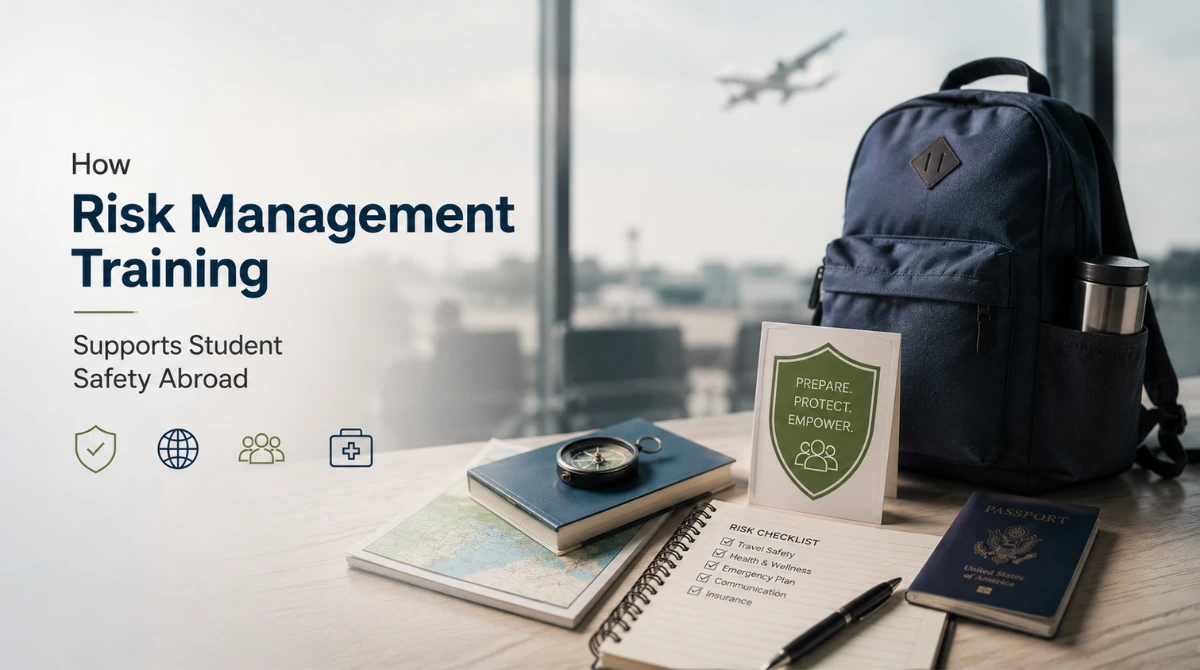
Studying abroad is one of the most rewarding educational experiences a student can have. It provides opportunities to develop global perspectives, strengthen communication skills, and experience new cultures firsthand. However, international travel also presents challenges that students, educators, and institutions must prepare for before departure.
From medical emergencies and cultural misunderstandings to transportation disruptions and unexpected crises, studying abroad involves risks that require proactive planning. This is where risk management training becomes essential. Rather than reacting to problems after they occur, effective training equips students and program leaders with the knowledge and confidence to identify potential risks, make informed decisions, and respond appropriately in unfamiliar environments.
Organizations such as Saudade Global Pathways recognize that student safety begins long before the journey starts. Their approach combines global education consulting, travel program design, duty-of-care planning, and structured risk management training to help educational institutions create safer and more meaningful international experiences.
Why Risk Management Training Matters
Risk management training is a structured educational process that prepares students, faculty members, and chaperones to anticipate, assess, and manage potential risks during international travel. Instead of focusing solely on emergency response, it emphasizes prevention, awareness, communication, and responsible decision-making.
When students understand how to recognize risks and follow established safety procedures, they are better equipped to handle unexpected situations calmly and effectively. Institutions also benefit by strengthening their duty of care and demonstrating a commitment to student well-being throughout every stage of an international program.
Common Risks Students May Encounter Abroad
Every destination presents unique challenges. While most study abroad experiences are safe and successful, students should be prepared for situations such as:
- Medical emergencies or illness
- Lost travel documents
- Cultural and language barriers
- Transportation delays or disruptions
- Natural disasters or severe weather
- Political or civil unrest
- Personal safety concerns
- Mental health and emotional adjustment
Risk management training helps students understand these possibilities before departure, reducing uncertainty and encouraging responsible decision-making throughout their journey.
How Risk Management Training Improves Student Safety
Builds Awareness Before Departure
Preparation is one of the strongest forms of protection. Pre-departure training introduces students to destination-specific risks, local customs, emergency contacts, healthcare systems, and cultural expectations.
Students who understand their destination are less likely to make avoidable mistakes and more likely to adapt successfully to new environments.
Encourages Better Decision-Making
Many safety incidents occur because individuals make decisions without understanding the potential consequences. Risk management training teaches students how to evaluate situations, recognize warning signs, and choose appropriate responses under pressure.
Scenario-based learning allows participants to practice handling realistic situations before they encounter them abroad, improving confidence and judgment.
Strengthens Emergency Preparedness
Emergencies cannot always be prevented, but effective preparation improves response times and reduces confusion.
Training often includes:
- Emergency communication procedures
- Local emergency services information
- Medical response protocols
- Evacuation planning
- Incident reporting procedures
Knowing exactly what to do during an emergency helps students remain calm while protecting themselves and others.
Supports Cultural Awareness
Many challenges abroad stem from cultural misunderstandings rather than actual safety threats.
Risk management programs frequently include cultural competency training that helps students understand local customs, social expectations, laws, and communication styles. Respecting cultural differences contributes to safer interactions and more positive international experiences.
Student Safety Statistics
The following statistics illustrate why structured preparation remains an essential component of successful international education programs.
| Student Safety Factor | Key Finding |
| Pre-departure safety training | Helps students understand destination risks and emergency procedures before travel |
| Duty-of-care planning | Supports institutions in creating safer international education programs |
| Emergency preparedness programs | Improve student confidence when responding to unexpected situations |
| Risk assessment practices | Help identify and reduce potential challenges before departure |
The Role of Education Consultant
Creating a safe international education experience requires more than travel logistics. It demands strategic planning, educational expertise, and comprehensive support before, during, and after travel.
Organizations like Saudade Global Pathways provide services designed to help educational institutions strengthen student safety while enhancing global learning opportunities. These services include:
- Risk management training
- Duty-of-care consulting
- Global studies consulting
- Travel and exchange program design
- Professional learning for educators
- Cultural competency and DEIBJ workshops
- Experiential learning program development
Rather than treating safety as a separate activity, Saudade Global Pathways integrates risk management into every stage of international program planning. This holistic approach helps schools create learning environments where students can confidently engage with new cultures while minimizing unnecessary risks.
Best Practices for Students Traveling Abroad
Students also play an important role in maintaining their own safety during international travel. Before departure, they should:
- Attend all pre-departure orientation sessions.
- Keep copies of important travel documents.
- Purchase appropriate travel and health insurance.
- Learn local emergency numbers.
- Understand destination-specific laws and customs.
- Share travel itineraries with family members.
- Save emergency contact information on multiple devices.
- Stay informed about local weather and travel advisories.
- Follow guidance provided by faculty members and program leaders.
These simple steps significantly improve preparedness and help students respond effectively if unexpected situations arise.
Creating a Culture of Safety
Successful international education programs are built on collaboration between students, educators, institutions, and global education partners.
Risk management training is not intended to discourage international travel. Instead, it empowers participants to explore new destinations with greater awareness, responsibility, and confidence. Institutions that invest in structured safety planning often experience stronger communication, improved emergency readiness, and more successful educational outcomes.
As study abroad opportunities continue to expand, comprehensive preparation will remain one of the most valuable investments schools can make for their students.
Building Safer and More Successful International Education Experiences
International education offers life-changing opportunities for personal growth, academic achievement, and cultural understanding. While every journey involves some level of uncertainty, thoughtful preparation significantly reduces risk and enhances the overall experience.
Risk management training equips students with practical knowledge, strengthens institutional duty of care, and supports informed decision-making throughout every stage of international travel. By combining proactive planning, cultural awareness, emergency preparedness, and professional guidance, educational institutions can provide safer and more rewarding global learning experiences.
With comprehensive services such as risk management training, travel and exchange program design, duty-of-care consulting, and educator professional development, Saudade Global Pathways helps schools create international programs where student safety and educational excellence go hand in hand.
FAQs
What is risk management training for students studying abroad?
Risk management training prepares students to identify potential risks, respond to emergencies, understand local cultures, and make informed decisions while participating in international education programs.
Why is risk management important for study abroad programs?
Risk management helps reduce safety risks by providing students and institutions with emergency preparedness, travel guidance, cultural awareness, and clear response procedures for unexpected situations.
What topics are covered in study abroad risk management training?
Training typically covers emergency response, health and safety, travel security, cultural competency, communication protocols, crisis management, and destination-specific risks.
How does Saudade Global Pathways support student safety abroad?
Saudade Global Pathways supports institutions through risk management training, duty-of-care consulting, educational travel planning, professional learning, and customized global education programs designed to promote safe international experiences.
Who should participate in risk management training before studying abroad?
Students, faculty leaders, program coordinators, and educational administrators should all participate in risk management training to ensure everyone understands safety protocols and their responsibilities during international travel.