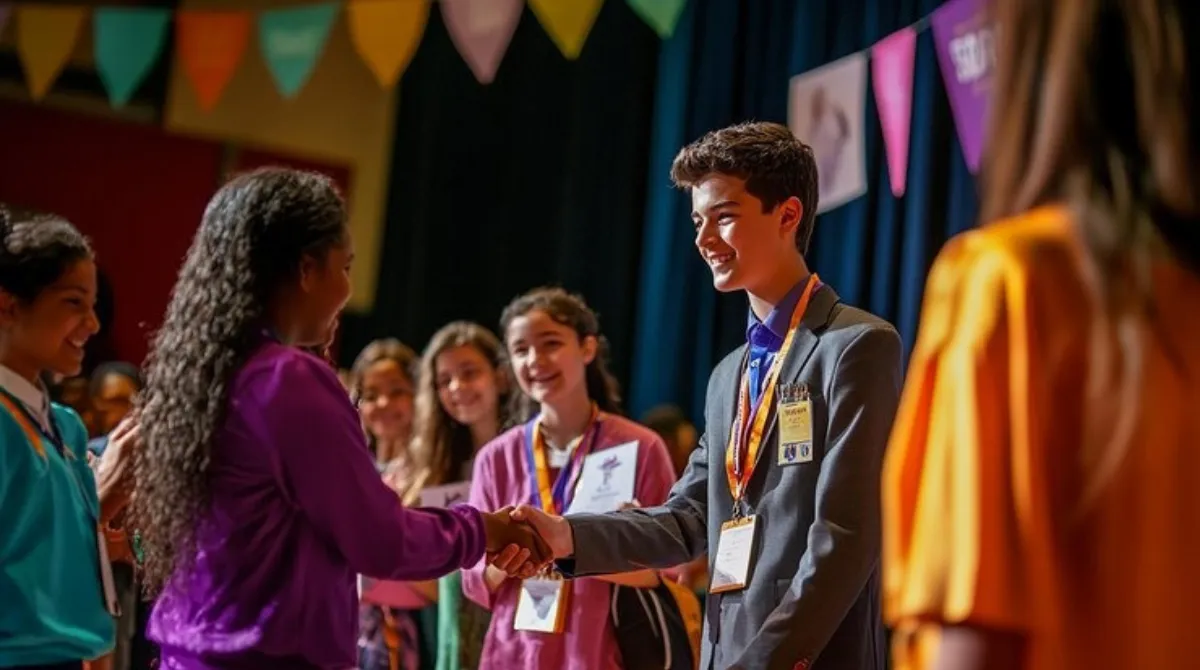
Cultural exchange programs have emerged as one of the most quantum leaps in modern education. Schools are starting to know that the best way for students to learn is to do different cultures, languages, traditions and communities. These experiences extend well beyond the definition of tourism. They provide students with empathy, confidence, adaptability, leadership and global awareness that carries on well beyond the journey.
Saudade Global Pathways is an example of an educational organization that focuses on experiential learning, cultural immersion, travel program design, education pathways by mentorship as well as DEIBJ workshops and global studies consulting wherein students can develop meaningful global connections. What a consulting-first approach allows us to do is focus on the long-term educational impact, rather than just travel itself.
Cultural exchange programs are equipping students with practical knowledge of multicultural academic and professional settings as education increasingly becomes globalized.
What Are Cultural Exchange Programs?
Cultural exchange programs are educational interactions between students and the culture of people, schools, or communities. These programs may include:
- International student exchanges
- Educational travel programs
- Community immersion projects
- Language immersion experiences
- Service-learning initiatives
- Leadership development programs
- Collaborative global classrooms
Traditional travel programming focuses more on activities and less on relationship-building, reflection, and meaningful engagement with local communities; cultural exchange experiences value these.
Many schools are now working with consultants who design tailor-made exchange experiences that support both curriculum goals and student development.
Why Cultural Exchange Matters in Modern Education
The students now are coming into an age where communicating across cultures is crucial. Individuals that work well with different groups and in unfamiliar environments are more highly sought after by employers, universities, and global organizations.
Cultural exchange programs help students:
- Develop cross-cultural communication skills
- Improve emotional intelligence
- Build confidence and independence
- Understand global perspectives
- Strengthen leadership abilities
- Become more adaptable problem-solvers
They are programs that encourage students to go beyond words on a page and become real-world, active participants in learning.
Learning by doing The School of Thought, in common with educational experts everywhere, believes that experiential learning places the onus for learning on the student rather than overloading him or her with too much information, improving long-term retention and critical thinking.
Growth of Cultural Exchange Programs
Schools worldwide continue expanding global learning opportunities as demand for international education increases.
| Year | Schools Offering Cultural Exchange Programs | Primary Educational Focus |
| 2018 | 34% | Student travel exposure |
| 2020 | 43% | Experiential learning integration |
| 2022 | 57% | Cross-cultural competency development |
| 2024 | 69% | Long-term global education strategy |
The steady rise in participation demonstrates how schools increasingly view cultural exchange as a core component of student development rather than an extracurricular activity.
How Cultural Exchange Builds Student Confidence
One of the greatest advantages offered by cultural exchange programs lies in it helping you to be more confident.
For many students, international experiences immediately present foreign languages, customs, transportation systems and modes of communication. Handling these situations successfully allows them to become more self-reliant and resilient.
Students frequently learn how to:
- Adapt to new environments
- Solve problems independently
- Communicate despite language barriers
- Build relationships with unfamiliar groups
- Get responsibilities which are out of the box
And those experiences prompt people to grow in ways a classroom often cannot.
The most common comments we hear parents and educators make after students complete exchange programs is that they return home with newfound maturity, leadership skills, or decision-making capabilities.
How Experiential Learning Enhances Academic Growth
Cultural exchange education relies heavily on experiential learning. Instead of simply absorbing concepts through lectures, students actually experience history, language, geography, politics and social systems in practice.
Experiential education organizations often focus on:
- Reflection activities
- Community partnerships
- Service-learning projects
- Interactive workshops
- Collaborative cultural discussions
Studies on experiential education very often indicate that students build stronger critical thinking and problem-solving skills when they are engaged through active learning.
Exchange students are also better students because it becomes easier for them to attach academia to actual experiences.
How Cultural Exchange Encourages Empathy
Among the most precious is empathy, something of great value between cultural exchange programs.
Speaking with people from all walks of life exposes students to how culture informs worldviews, messaging, customs and everyday life. It provides students with the opportunity to go beyond stereotypes and learn real respect for diversity.
Stories about place and whether students belong, stories of shared humanity tend to elicit more emotional learning than the regular stuff taught in classrooms. Organizations such as Saudade Global Pathways focus on DEIBJ-centered learning and culturally responsive practices as part of global education development with a global approach in mind.
Students who encounter different perspectives are generally:
- More open-minded
- Better communicators
- More respectful of differences
- More collaborative in group environments
These skills not only help achievers succeed academically but also in their future careers.
Student Development Outcomes from Cultural Exchange
| Student Skill Area | Common Improvement After Exchange Programs |
| Communication Skills | Stronger cross-cultural interaction |
| Leadership Ability | Increased confidence and initiative |
| Adaptability | Better response to unfamiliar situations |
| Cultural Awareness | Deeper understanding of global perspectives |
| Critical Thinking | Improved problem-solving abilities |
| Emotional Intelligence | Greater empathy and collaboration |
These outcomes explain why schools increasingly integrate global education experiences into long-term curriculum planning.
Why Schools Are Investing in Global Learning
It is these results which highlight why international education experiences more frequently find themselves part of long-term curriculum planning within schools.
More and more educational institutions are realizing that in order to thrive in the future, cultural competency is a necessary skill.
Schools are partnering more and more with organisations that offer:
- Global studies consulting
- Travel and exchange program design
- Risk management training
- Professional learning for educators
- Curriculum integration strategies
- Cultural competency workshops
Enter consulting-oriented entities that are working to scale and make school travel more systematic as they help develop sustainable global learning systems.
This change indicates a bigger academic perspective: retaining students to be world oriented residents fit for such societies of interdependence.
The Importance of Safe and Structured Programs
While some specialty schools have even taken steps to add specific programming with winter and summer breaks, student safety and program quality continue to be crucial considerations in cultural exchange programs.
Identify organizations with the following to build a school and family pipeline:
- Risk management preparation
- Educator and chaperone training
- Emergency response planning
- Structured educational objectives
- Student support systems
Professional educational consulting organizations know the importance of safety and substantial cultural integration.
They do this, for example, through Saudade Global Pathways where they run travel chaperone training, advanced refresher workshops and on-site program preparation specifically designed to help schools and educators who are associated with international learning experiences.
How Cultural Exchange Shapes Future Careers
Global exposure enhances future educational and professional prospects.
Employers are increasingly looking for candidates with:
- Cultural awareness
- Communication flexibility
- Leadership skills
- Global perspective
- Adaptability under pressure
Exchange programs have a lasting impact on students because they can bring real-world experience to university admissions and job interviews that can show how comfortable they are navigating unfamiliar paths and building relationships with varied groups of people.
As such, international exposure is especially desirable in industries like business, healthcare, diplomacy, technology and nonprofit leadership, which require extensive cross-cultural communication.
How Cultural Exchange Programs Shape Global Student Success
For students, cultural exchange programs involve so much more than traveling abroad. They strive for all students to gain confidence, empathy, a sense of adaptability, leadership skills and global awareness while pushing them to grow personally and academically – however that may look.
With the growing emphasis on experiential learning and global citizenship, cultural exchange programs are now a critical part of education in many schools. Our students learn life skills necessary for success in a global world through experiential learning, community engagement, and global understanding.
Organizations specializing in experiential learning, cultural responsiveness, and long-term student development continue to support schools in establishing new frameworks for programming that extends far beyond the classroom and drives true change.
FAQs
What are cultural exchange programs?
Cultural exchange programs are educational activities that allow students to experience other cultures through travel, immersion, and global learning activities.
How do cultural exchange programs help students grow?
Such programs require the application of experiential learning, leading to improvements in confidence, communication skills and adaptability, leadership abilities, empathy with others and cultural awareness.
Why are cultural exchange programs important in education?
They also teach skills for a globally connected world, such as cross-cultural communication, collaboration and global citizenship.
What is experiential learning in cultural exchange programs?
Experiential learning is all about hands-on activities, immersion in culture, engaging with the local community and interactive learning beyond conventional classrooms.
Do cultural exchange programs improve academic performance?
Yes. The reason students become more engaged, motivated and critical thinkers is because they see the relevance of classroom knowledge being useful for real world experience.